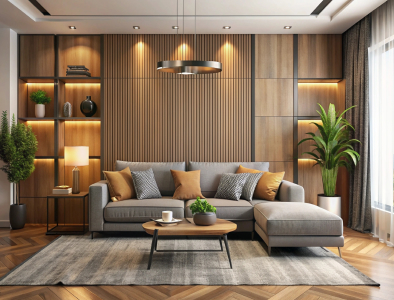
Interior designing is all about creating functional and aesthetically pleasing indoor spaces. It combines art, science, and design principles to transform interiors into environments that are visually appealing and enhance the quality of life. Here’s a comprehensive breakdown of key aspects of interior design:
1. Space Planning
- Understanding the Space: The first step is assessing the layout and functionality of the space. It includes understanding the size, shape, and flow of the room and how different areas interact (e.g., living area, dining area, workspaces).
- Zoning: This refers to the division of space into distinct functional areas while ensuring easy movement and accessibility. For example, in an open-plan living area, you might separate the seating area from the dining area through furniture arrangement or rugs.
- Traffic Flow: It's essential to create spaces that allow people to move freely without obstruction. Proper furniture placement and clear walkways are key to effective space planning.
2. Color Scheme
- Psychological Impact: Colors can influence mood, energy, and the overall feel of a room. For example, blues and greens are calming, while reds and yellows are more stimulating.
- Palette Creation: Interior designers often work with complementary color schemes (colors opposite each other on the color wheel) or analogous colors (colors next to each other) to create harmony. Neutral tones often serve as a base, with accent colors added through furniture or accessories.
- Accent Walls: This is a technique where one wall in a room is painted a different, bold color to serve as a focal point without overwhelming the entire space.
3. Furniture and Layout
- Selecting Furniture: The choice of furniture is crucial to both the aesthetics and functionality of the space. It should suit the room’s purpose, be comfortable, and align with the overall design concept.
- Proportions and Scale: Furniture should be proportional to the space, so a large sofa might be out of place in a tiny room. Proper scale ensures balance in the design.
- Arrangement: The way furniture is arranged affects the room’s flow and how people interact within it. For example, in living rooms, you might arrange seating to encourage conversation, while in bedrooms, furniture placement should facilitate relaxation and movement.
4. Lighting Design
- Ambient Lighting: This provides overall illumination to a room and usually comes from ceiling-mounted lights, chandeliers, or recessed lighting. It sets the tone for the space.
- Task Lighting: Focused lighting for specific tasks like reading, cooking, or working. Examples include desk lamps, under-cabinet lighting, or pendant lights above a work surface.
- Accent Lighting: Used to highlight specific features or artworks, accent lighting helps create mood and adds visual interest.
- Natural Lighting: Maximizing natural light through windows, skylights, or glass doors is essential for creating a bright and inviting space. Window treatments like curtains or blinds can control light flow and privacy.
5. Materials and Finishes
- Textures and Materials: Choosing the right textures and materials can completely change the feel of a room. Wood, metal, glass, textiles (like velvet, linen, or cotton), and ceramics each contribute to a space’s aesthetic and tactile experience.
- Finishes: This refers to the surface treatment of materials, such as matte, glossy, or satin finishes for furniture, floors, or wall surfaces. The finish can influence the room’s vibe—sleek and modern or soft and rustic.
6. Decor and Accessories
- Art and Wall Decor: Wall art can serve as a statement piece or complement the overall design of a room. Whether it’s paintings, photographs, or sculptures, it adds personality to the space.
- Textiles: Rugs, curtains, cushions, and throws add comfort, color, and warmth. These are also opportunities to add patterns and layers to the design.
- Mirrors and Reflective Surfaces: Mirrors can make a space feel larger and brighter. Reflective surfaces (like glass or polished metals) also add depth and dimension.
- Plants: Adding greenery brings life into a space. Plants improve air quality and add an organic touch that complements both modern and traditional interiors.
7. Style and Theme
- Modern/Contemporary: Characterized by sleek, clean lines, open spaces, and minimalism. Neutral tones are common, with pops of color used sparingly. Materials like glass, chrome, and concrete are often incorporated.
- Traditional: Features rich wood furniture, elegant fabrics, and classic furnishings. Symmetry and a sense of formality are key components.
- Bohemian (Boho): A laid-back, eclectic style that embraces color, texture, and individuality. Layering patterns, using vintage pieces, and incorporating elements from different cultures are hallmarks of boho design.
- Industrial: Inspired by factories and urban spaces, industrial design features raw materials such as exposed brick, steel beams, and concrete floors. It’s often combined with modern, minimalist furniture.
- Minimalist: Simple, functional, and uncluttered, focusing on a clean and calm environment with a lot of open space and limited color palettes.
8. Sustainability in Interior Design
- Eco-Friendly Materials: More designers are opting for sustainable materials like reclaimed wood, bamboo, cork, and recycled metal or glass. These materials are not only eco-friendly but can also add character to the design.
- Energy Efficiency: Incorporating energy-efficient lighting, smart thermostats, and appliances can reduce the environmental impact of a home while improving comfort.
- Indoor Air Quality: Choosing non-toxic paints, finishes, and furnishings with low VOCs (volatile organic compounds) helps improve indoor air quality.
9. Technology Integration
- Smart Home Features: These might include automated lighting, smart thermostats, and security systems, all of which can be controlled remotely.
- Sound Systems and Entertainment: Integrating technology like built-in sound systems, projectors, or TVs into the design to create a seamless, high-tech living environment.
10. Personalization
- Tailoring to the Client’s Needs: The most successful interiors reflect the client’s personality, preferences, and lifestyle. Whether that’s through custom furniture, color choices, or special design features, personal touches make a space feel unique and comfortable.
Interior design is about more than just making a space look beautiful; it’s about enhancing the functionality and comfort of the space to suit the people who use it. Whether you’re designing a home, office, or retail space, the goal is to create an environment that promotes well-being and productivity.
Do you have a particular design project or style you’re working on? I’d be happy to help!